If you’re thinking about taking on a home project to renovate your home in 2024, there are 3 things that you should consider before getting started.
Being aware of these can help you manage expectations and avoid or mitigate any challenges more easily. This applies whether it’s a new extension, a refurbishment, or even a new build project.
In the following video, I’ll talk about how it’s important to have realistic planning timelines, the financial impact of cost uncertainty, and why you should schedule your projects carefully.
Everything I cover is based upon real life experiences from the last twelve months. Each of these came up and we’re ongoing trends impacting both budgets and project timelines.
Transcript:
Hi, everyone. If you’re thinking about starting a home renovation project in 2024, I just wanted to talk through three things that you might want to consider at the outset. Now, obviously, there’s a lot to think about, whether you’re doing an extension, a refurbishment, or even starting a new build.
But there are three fundamental things that we found last year were impacting build timelines and more. I wanted to give you an insight into these so you can be realistic about what to expect.
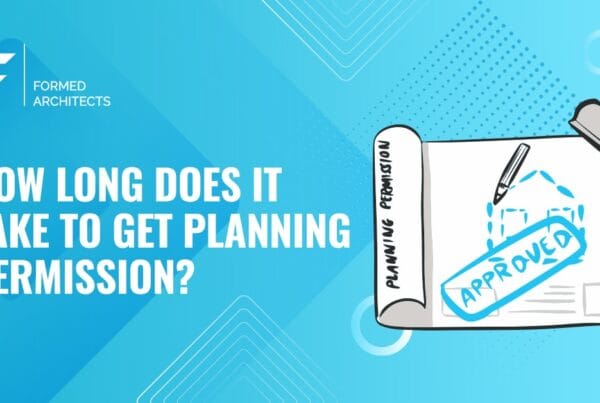
The first thing is getting planning permission. It’s not just a case of making the application and submitting your drawings. It’s realistically understanding how long it will take to get planning permission. Over the last few years, planners have taken longer to determine applications. They may come back and ask for extra time, and you have to agree if they do.
What the government introduced last December ’23 is a requirement for applications to be determined within set time frames. For small domestic applications, this is eight weeks. If it’s not determined within that time, you can appeal. This process already existed historically, but it doesn’t necessarily mean that planners can’t ask for more time. So, being realistic about how long planning permission takes is critical.
The crux of the problem is that planning departments are under-resourced. So, it’s important to spend a little extra time to ensure the quality of the package you’re submitting is high. This way, planners have all the information they need at the outset.
So, that’s number one—be realistic about how long planning will take. Number two is about cost and cost uncertainty. Prices are all over the place in construction at the moment. There are labor shortages, material shortages, and nothing seems to be coming down.
This makes it very difficult to predict how much something will cost. Typically, if you start having a conversation at the beginning of the year about the cost of an extension, by the time you end up on site, the cost may have varied quite significantly. This is purely because things are changing so much. Being honest about this at the outset is important.
I can give you examples of how much something may have cost last year, but by the time you start the project, the client’s budget may need to be adjusted due to cost variables. At this stage, it’s hard to say exactly how much a single-story extension will cost in 2024, but you’re unlikely to get much change from about £120,000 to £150,000, plus VAT, depending on when you start the project.
So, being aware of this and honestly assessing how much money you need to reach your end goal is crucial. Make sure you’ve allowed for some extra contingency.
The third thing, which is tied to the first two, is being realistic about timelines. There’s little point in saying you want to be on site in two months to have your extension ready for the summer barbecue season—it’s unlikely to happen.
The front-end process can take longer, so allowing time to design the space properly and ensuring you have accurate drawings that consider as many decisions as possible up front will help avoid changes on site, which inevitably lead to cost overruns. Be clear and realistic about how long the time frame will take.
Typically, it used to take about four to six months, but with delays in the planning process, starting from the point when you engage us to the point when you actually might start on site is now more likely to be six to eight months. There are instances where this can be accelerated, but it seems to be getting longer.
Being realistic means that your extension is not likely to be ready for this Christmas but more likely for next Easter, which helps manage expectations and ensures you enjoy the process rather than getting frustrated.
So, if you’re planning an extension or a home renovation project in 2024, be realistic about your time frames, have a clear sense of what’s involved, and you’re more likely to have a smoother experience with fewer disappointments.
Essential Insights:
- Planning Permission Realities: Getting planning will probably take longer than you expect. With shifts in government initiatives aiming to make the whole process faster, however, this still doesn’t account for how under resourced many planners are. To avoid delays, ensuring your plan is thorough and of the highest quality is really important.
- Cost Uncertainty: The cost of building and construction has never been more unpredictable. Labour and material prices are the particular driving factors in this. When creating your budget, it’s really important to make sure that it is done both realistically, but also accounting for any issues and contingencies. Estimates can change a lot by the time work begins.
- Timelines: Make sure to have realistic expectations of just how long a project will take and be prepared for it to take even longer than that. The phases of front-end design and planning can often take longer due to the potential for delays. These bottlenecks mean that a project may take between 6 and 7 months from the initial engagement to the beginning of construction.
Final Thoughts:
Whether you are planning an extension or home renovation in 2024, make sure that you are approaching the project with an open mind and expectation that things can change.
Potential delays can occur, even in the planning stages, project timelines may end up being longer, and prices of goods and services will shift.
Being aware that these can happen will allow you to be better prepared for any changes, and also allow you to enjoy the process to get the outcome that you wish.
If you have any questions, or are ready to talk about your project in more detail, then please give us a call. We are here to help you and bring your property wishes to life.
Discuss Your Project With Us